Certification Tracks

Four pathways, one clear outcome: real skills you can prove.

Everything you need to see the full picture: what to learn first, how long it takes, what credentials you'll earn, and where each track can lead. IV Studio is built around real levels in real tools, guided by working creatives who know what review panels and studios actually look for.

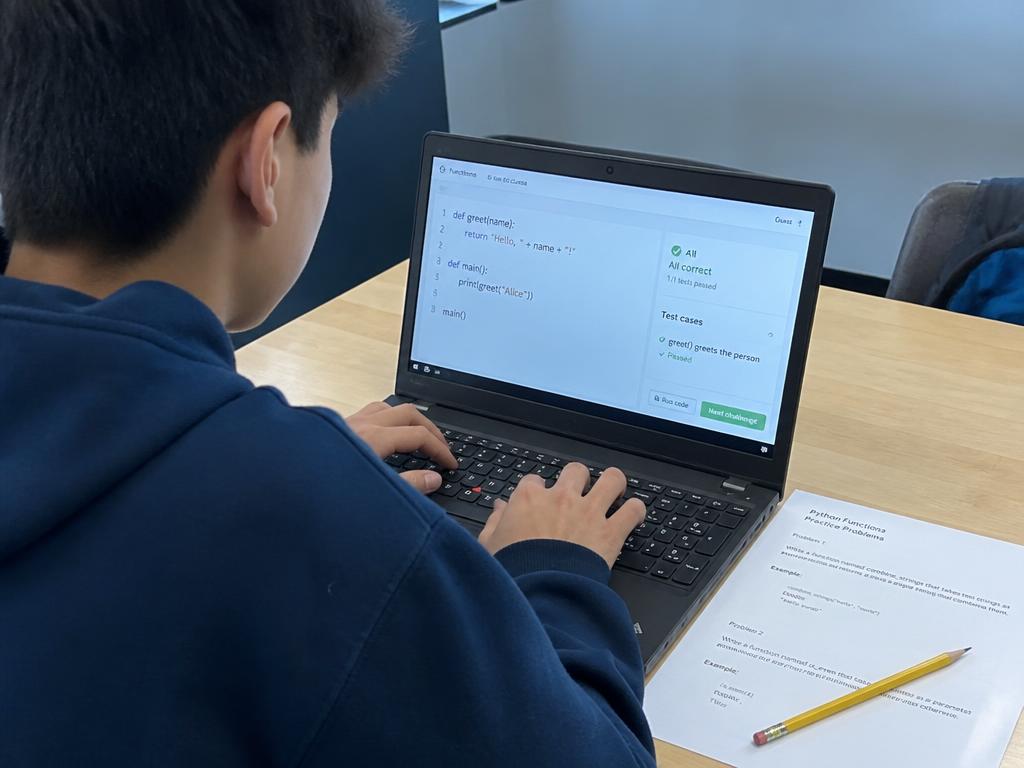
Digital Art & Creative Foundations certification track at IV Studio

Digital Art & Creative Foundations

Students turn raw sketching and visual curiosity into a polished, review-ready creative portfolio — and, when ready, sit for industry-recognized Adobe credentials.

What students learn

  • Digital Art Foundations
  • Adobe Photoshop / Illustrator pathway
  • Color, composition, and visual storytelling for games and media

Age range

13+ foundations, 14+ for Adobe Certified Professional exams

Typical time

8–12 months for a complete portfolio + credential prep

Walks away with

Portfolio pieces + industry-recognized creative credentials

Where it can lead

Illustration, concept art, brand design, freelance commissions, art and design school applications.

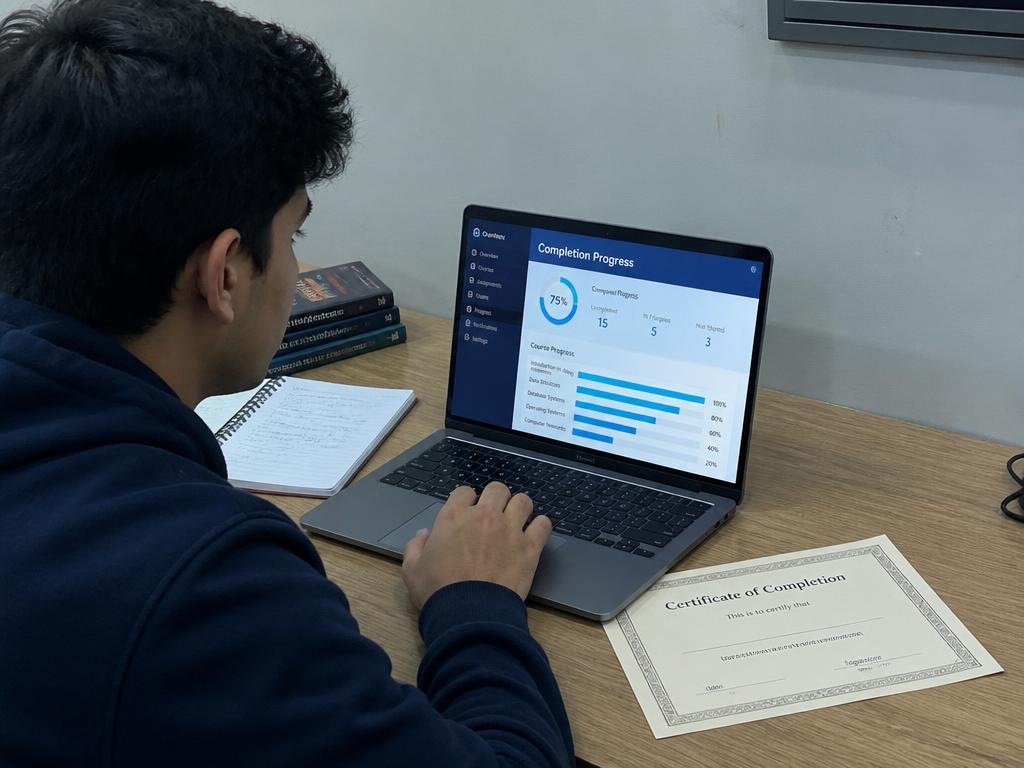
Game Design & Interactive Experiences certification track at IV Studio

Game Design & Interactive Experiences

For students who want to build the games they play. Design thinking meets real Unity engine work, ending in a playable project and a verified game-design credential.

What students learn

  • Game Design Fundamentals
  • Unity Certified User pathway (Artist or Programmer track)
  • Level design and interactive project building

Age range

14+ recommended

Typical time

10–14 months to complete a playable build + Unity certification prep

Walks away with

Playable projects + Unity credential + portfolio

Where it can lead

Game studios, QA and design internships, game dev degree programs, indie releases.

3D Art, Animation & VFX Foundations certification track at IV Studio

3D Art, Animation & VFX Foundations

The production pipeline, simplified. Students learn how 3D assets move from model to finished shot, building the exact skills studios and agencies hire first.

What students learn

  • 3D Modeling Basics
  • Animation Foundations
  • Intro to professional 3D tools and Unity Artist pathway

Age range

14–16 foundations, 16+ for deeper tracks

Typical time

12–18 months for production-ready assets, short animations, and demo-reel work

Walks away with

3D assets, short animations, portfolio-ready work

Where it can lead

Animation and VFX studios, game art roles, motion design, film and media programs.

Interactive Media & Esports Creative certification track at IV Studio

Interactive Media & Esports Creative

The creative side of gaming culture. Students learn to edit, brand, and broadcast for teams, tournaments, and creators — turning fandom into a media skill set.

What students learn

  • Digital media for gaming and esports
  • Content creation, motion graphics basics, and team creative production
  • Brand identity and publishing rhythm for gaming communities

Age range

14+

Typical time

8–12 months for a content reel and broadcast package

Walks away with

Media projects + creative portfolio that speaks the language of gaming culture

Where it can lead

Esports organizations, creator studios, marketing and social teams, freelance editing.

Why these courses

Turn the hours you already love into the skills that open doors.

This is the most honest investment a creative student can make: real tools, real projects, and real proof that you can do the work. The certificate is just the beginning — the real goal is a portfolio, a skill set, and the habit of keeping your edge sharp.

For students

You are already gaming. You are already drawing, editing, posting, or building worlds. IV Studio gives you the structure to turn that time into something colleges, studios, and employers actually respect.

  • Your portfolio is the real credential. Every track ends with finished projects — not just a certificate of attendance.
  • Industry-aligned credentials. Adobe and Unity pathways show up on applications, resumes, and college portfolios.
  • Skills that keep paying off. Design, interactive media, and digital production are foundational across entertainment, tech, marketing, and education.

For parents

Clear age ranges, realistic timeframes, and transparent outcomes. You will know exactly what your student is working toward, how long it takes, and why it matters for their future.

  • Realistic timeframes. Most tracks take 8–18 months of focused work, with clear levels and progress checkpoints.
  • Clear age guidance. Foundations start at 13. Adobe and Unity certification prep typically opens at 14+. Deeper 3D and VFX tracks are strongest at 16+.
  • A practical investment. Portfolios and credentials support internships, freelance work, college creative programs, and entry-level creative careers.

Internships

A reviewed portfolio is what studios and agencies ask for first.

Freelance work

Proven skills let students take real commissions and paid projects.

College programs

Credentials and portfolios strengthen creative and tech school applications.

Creative careers

Entry-level roles in design, games, media, and interactive production.

AI changes tools. It does not replace proven skill.

The creative economy still needs people who can design, build, and ship. A strong portfolio — with real projects, real decisions, and real craft — is still the credential that wins. These are the skills that stay valuable as an adult.

Who this is for

Built for students, parents, and schools.

Three audiences, one shared goal: turn creative energy into documented, career-relevant skills.

Students (13–18+)

You already spend time gaming or creating art. These pathways turn that time into real skills, credentials, and a portfolio that colleges and employers actually look at.

Parents

Clear age ranges, realistic timeframes, transparent outcomes, and pathways that lead to real opportunities — not empty certificates. You will understand exactly what your student is working toward and why it matters.

Schools & Training Partners

A reliable creative and gaming certification resource that plugs into existing programs and gives students industry-aligned credentials and portfolio work.

Practical answers

What the commitment is. What the payoff looks like.

No vague promises. Here are the real timelines, outcomes, and opportunities students and parents ask about most.

Age ranges

13+ — Creative foundations and digital art basics.

14+ — Most certification tracks (Adobe, Unity, game design, interactive media).

16+ — Advanced 3D, animation, and VFX production.

Typical time to complete

8–16 weeks — Foundations level with weekly practice.

4–6 months — Full entry-level readiness with portfolio and certification prep.

Self-paced — Consistent practice matters more than speed.

What students walk away with

• A reviewed portfolio of finished pieces

• Industry-aligned credentials (Adobe / Unity pathways)

• Playable, visual, or interactive projects they can demo

College applications

Portfolios and credentials strengthen creative and tech program applications.

Internships

Real projects are what studios and agencies ask to see first.

Freelance work

Proven skills let students take commissions and paid creative projects.

Entry-level roles

Credentials and a portfolio support first hires in design, games, and media.

Example opportunities

These are the roles students can start targeting after building a portfolio.

Junior Graphic Designer

Brand assets, social graphics, marketing materials.

Game Design / Unity Pathways

Level design, UI/UX for games, playable prototypes.

Digital Artist

Illustration, concept art, brand and character design.

Content Creator

Video editing, motion graphics, social and gaming media.

3D Artist

Models, environments, and assets for games and animation.

Interactive Media Roles

Esports creative, broadcast graphics, community media.

Realistic earning context

Entry-level creative and tech-adjacent roles in the U.S. typically start between $38,000 and $58,000, with freelance rates and internships adding income earlier. A strong portfolio is usually the factor that moves a candidate from "interested" to "hired."

How a track runs

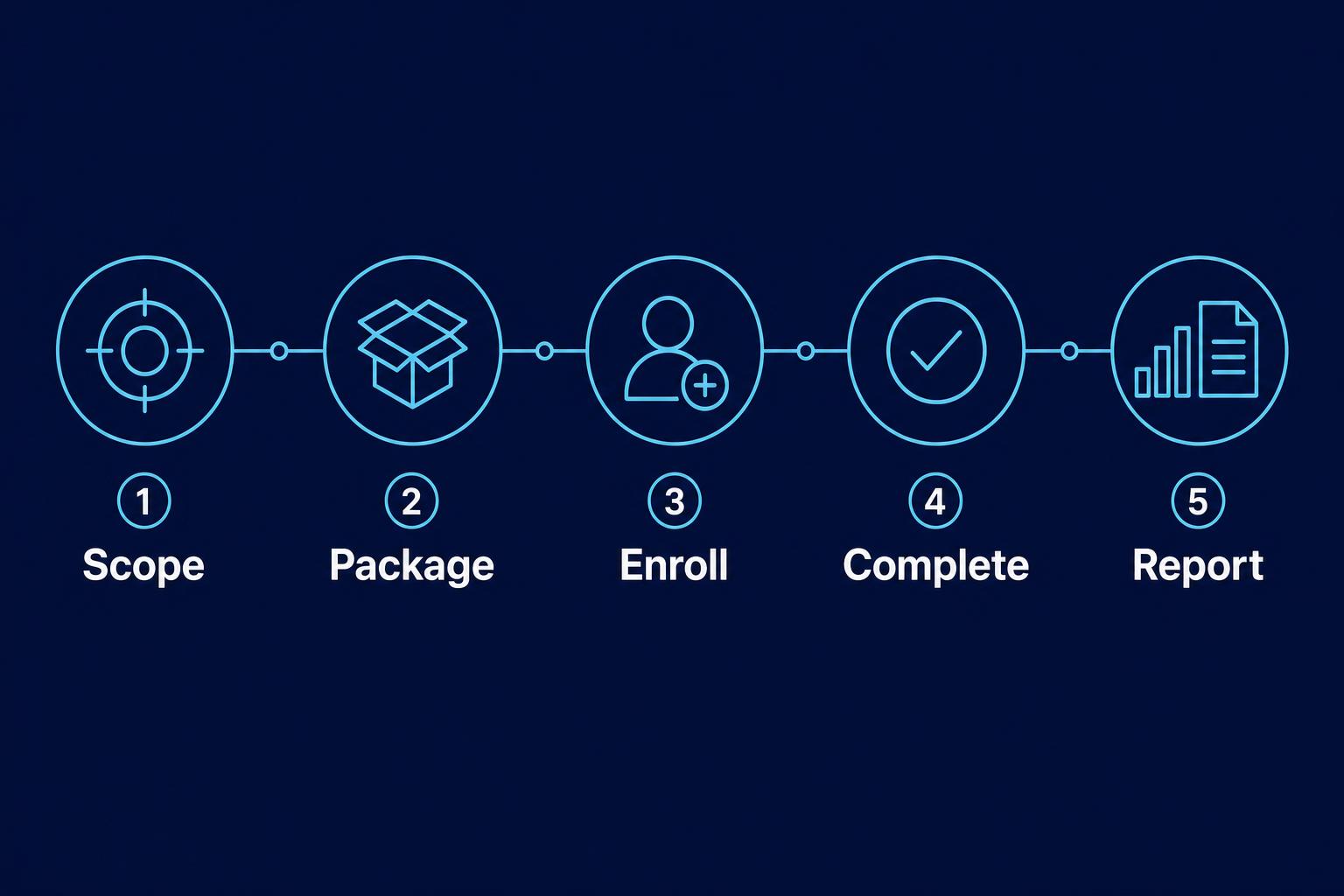
Four stages, start to pathway.

Students always know where they are, what's next, and what they need to finish. Parents get the same visibility.

01

Placement

A short conversation and skills review to match the student to the right track and level.

02

Skill build

Structured levels with weekly work, direct feedback, and the same tools used in industry.

03

Portfolio

Finished projects assembled and reviewed until they're strong enough to submit.

04

Pathway

Certification, plus concrete next steps: internships, programs, freelance, or advanced work.